
En
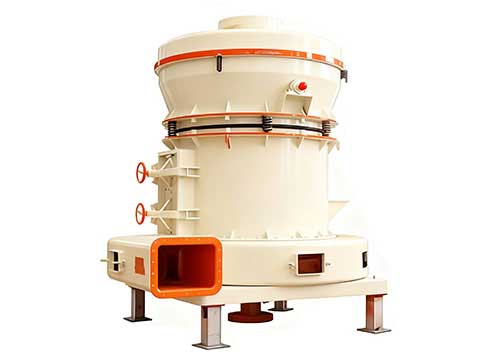
Raymond mill is mainly suitable for grinding various non flammable and explosive mineral materials with Mohs hardness < 9.3 and humidity < 6%. It is widely used in the fine powder grinding of various mineral powders and coal powders. However, the problem of no powder output may occur during raymond mill processing. This article introduces the reasons and solutions for Raymond mill no powder output.
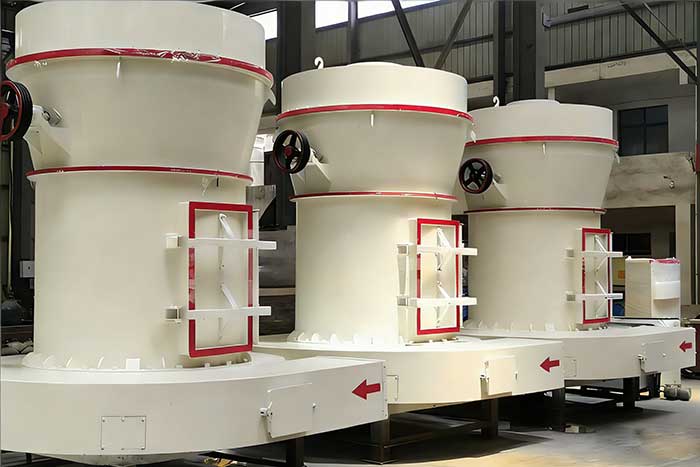
Poor sealing of the powder lock valve will lead to back suction of the ground powder, thus reducing the powder output.
Solution: Regularly check the sealing condition of the powder lock to ensure it is tight and leak free.
Both worn fan blades and a blocked air duct will cause a decrease in air volume, which disrupts the normal operation of the mill.
Solution: Check the wear condition of the fan blades, replace severely worn ones in a timely manner, and clear foreign objects from in air duct.
Shovel blades are vulnerable parts of raymond mill. Prolonged use will cause wear, leading to failure to scoop up materials and a reduction in powder output.
Solution: Inspect the wear condition of the shovel blades regularly and replace them with new ones in a timely manner.
Improper adjustment of the fan’s air volume will lead to abnormal powder output. Both excessively high and low air volume will affect the quality of powder output.
Solution: Adjust the fan’s air volume appropriately to ensure that the air volume is moderate.
The classifier is responsible for verifying whether the particle size of the finished powder meets the specified standards. Severe wear of the classifier’s blades will cause the powder output to be either overly coarse or overly fine.
Solution: Replace the classifier’s blades with new ones.
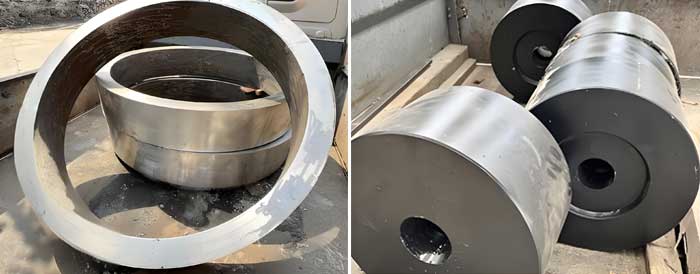
The grinding roller is one of the core components of the Raymond mill. Excessive wear on the surface of grinding rollers will cause raymond mill to stop producing powder output.
Solution: Replace the grinding roller.
The motor of Raymond mill is the key to operation. Motor failure will disrupt the normal operation of the mill and cause it to fail to produce powder.
Solution: Check if the motor is running properly, repair or replace the motor if any faults are found..
When processing materials with excessive humidity, Raymond mills are prone to not producing powder.
Solution: Check if overly wet materials or excessive water addition are used; reduce the material moisture content if necessary.
The clearance between grinding rollers and the grinding disc is a key factor affecting raymond mill’s production capacity and powder fineness. Improper adjustment of this clearance will cause no powder output.
Solution: Readjust the clearance between the grinding rollers and the grinding disc.