
En
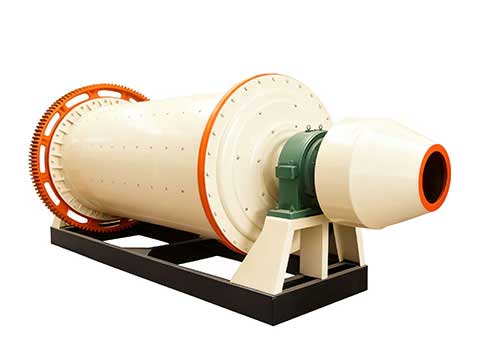
Gold ball mill is a key equipment for grinding and pulverizing gold ore. Its function is to grind the crushed large gold ore particles into powder (reaching the required particle size for mineral processing), in order to obtain high-quality concentrate products.
Gold ball mill usually consists of feeding device, grinding cylinder, discharge device, driving unit, and electrical control system. The feeding device is used to send gold ore into the grinding cylinder, while the discharge device is used to remove the finely ground ore particles from the cylinder.
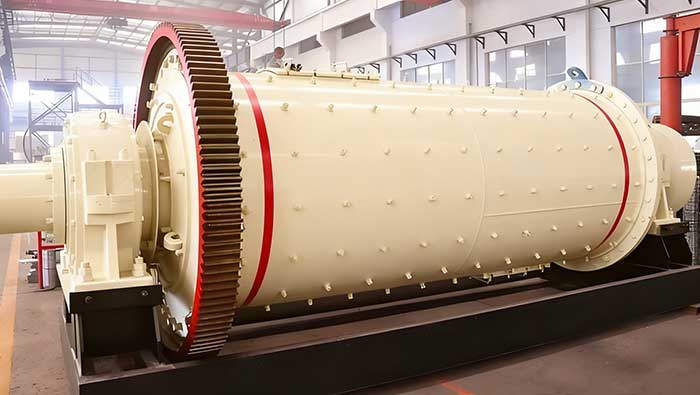
Grinding cylinder(Including internal lining plates) is the core component of a gold ball mill. The cylinder is filled with steel balls and ore. When the cylinder rotates, the steel balls move toward the cylinder wall due to centrifugal force, generating friction, impact, and collision with the ore, gradually grinding it into fine particles.
The driving unit typically includes a motor, reducer, and coupling, which drive the rotation of the grinding cylinder. The electrical control system is used to control and monitor the operation of the gold ore ball mill.
Gold ball mills come in various types, which can be calssification based on structure and working principles as follows:
Horizontal ball mills are commonly used for wet grinding, while vertical ball mills may be suitable for high fineness requirements.
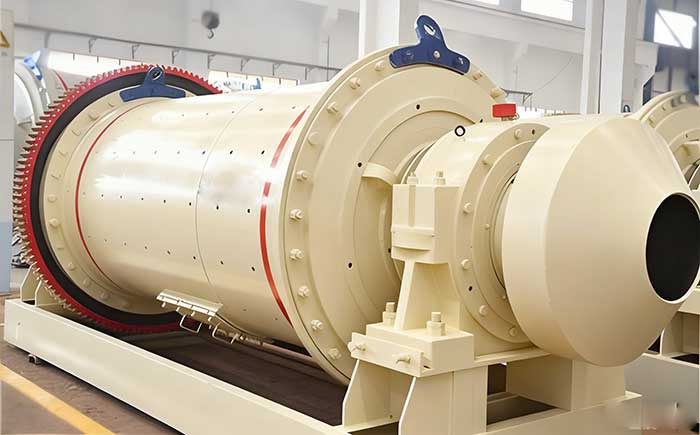
Purchasing a gold ball mill is a critical decision that requires considering multiple factors to select the most suitable equipment. Here are 10 tips to help choose a gold ball mill:
1. Capacity Requirements: Select appropriate specifications and models of ball mills according to production capacity requirements to ensure the expected output is achieved.
2. Material Characteristics: Select a gold ball mill suitable for processing the target material based on material characteristics such as hardness, moisture content, and particle size. For example, for high hardness materials, a mill with good wear resistance is required.
3. Quality and Reliability: Check the supplier’s reputation and credibility, and refer to evaluations and suggestions from other users to ensure the selected gold ball mill has a long lifespan and stable performance.
4. Functions and Features: Considering factors such as the degree of automation, ease of operation, and maintenance workload of the gold ball mill, select equipment that meets production needs to improve efficiency and reduce operating costs.
5. Safety and Environment: Ensure the selected gold ball mill has comprehensive safety protection measures, such as safety guards and emergency stop devices. At the same time, pay attention to the gold ball mill’s energy consumption and waste emissions, and choose equipment with high energy efficiency and environmental performance.
6. After-Sales Service and Support: Consider the after-sales service and support provided by the supplier, including gold ball mill installation, debugging, maintenance, and spare parts supply.
7. Price: Comprehensively evaluate the gold ball mill’s price and performance, and seek options with higher cost-effectiveness.
8. Scalability: Estimate potential future increases in capacity and changes in demand, and select a gold ball mill with a certain degree of scalability.
9. Technical Support and Training: Find out whether the supplier provides comprehensive technical support and training.
10. Field Visit: If possible, you can personally visit the gold ball mill manufacturing factory to understand whether the supplier has established a sound quality control process.

The cost of a gold ball mill includes purchase cost, installation cost, operating cost, and maintenance cost.