
En
Ball-to-Powder Ratio (BPR) in ball milling refers to the mass ratio of grinding balls to raw material powder used during the grinding process. Which directly affects the grinding efficiency, grinding time, and grinding effect of the ball mill. In common ball mill operations, the mass ratio of ball to powder can be adjusted between 1:1 and 20:1, but the optimal ratio often depends on the properties of the material being ground, the grinding medium, the type of ball mill, the grinding conditions, and the required ball milling effect.
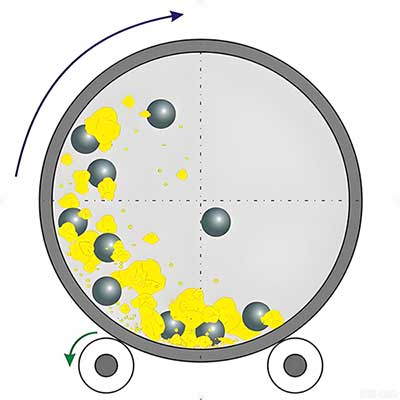
A ball mill mainly grinds the powder by rolling and impacting the grinding ball inside the cylinder. The way the balls touch the powder and how often they hit it are important for how well the grinding happens. The ball-to-powder ratio refers to how much ball mass there is compared to the powder mass. When the ratio is just right, the balls can pass energy to the powder more effectively, leading to smaller particles and better mixing.
Material Properties: The hardness, how easily the material breaks, and how big the powder particles are all influence the choice of ball-to-powder ratio.
For example, if the material is hard, you might need more or heavier balls to make grinding more efficient.
Grinding Balls: The shape, size, type, and quantity of grinding balls can all affect the selection of ball milling powder ratio. The smaller the grinding ball, the higher the grinding efficiency, but the smaller the grinding ball, the longer the grinding time.
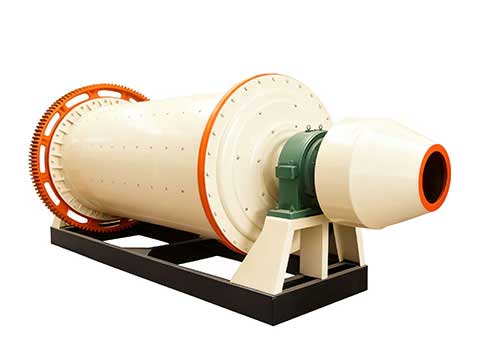
Ball Mill Types: Different types of ball mills, like planetary or drum mills, and their sizes and how fast they spin, all have different needs for the ball-to-powder ratio.
Grinding Conditions: The way the balls hit the powder, the shape and size of the grinding container, and the size of the space between the balls and the container can all influence the best ratio.
Desired Outcome: Depending on what you want to achieve, such as making the powder finer or mixing it more evenly, the ball-to-powder ratio might need to be adjusted.
Experimental Testing: Try different ball-to-powder ratios in experiments to see how well they work, how much energy they use, and how fast the balls wear down. This helps find the best ratio for your setup.
Use Industry Standards: Look at standards and data from the industry to find a suitable range of ball-to-powder ratios for your material and goals.
Monitor and Adjust in Real Time: During production, keep checking how well the grinding is working and how much energy is used. If things change, adjust the ball-to-powder ratio to keep the process running smoothly.