
En
A typical chrome washing plant usually includes ore washing, crushing, grinding, separating, dewatering & drying, and material transportation.
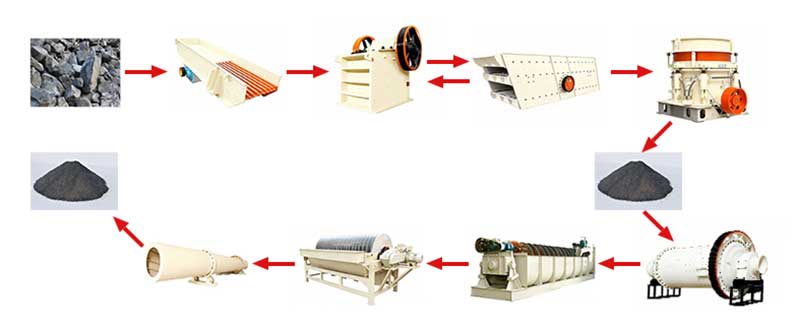
Natural chrome coexists with mud, clay, and other impurities. In unwashed chrome ore, the impurity content is usually as high as 10% -30%. These impurities not only increase transportation costs, but also lead to a decrease in the efficiency of subsequent crushing, screening, and separating equipment. They can also affect the application performance of the final product due to excessive iron content.
The main purpose of chrome washing is to remove mud, clay, and other soluble impurities from the surface and interior of the ore through physical methods, achieving initial purification of the ore and improving subsequent beneficiation efficiency.
The commonly used equipment for chrome washing includes Rotary Drum Washers, Spiral Ore Washers.
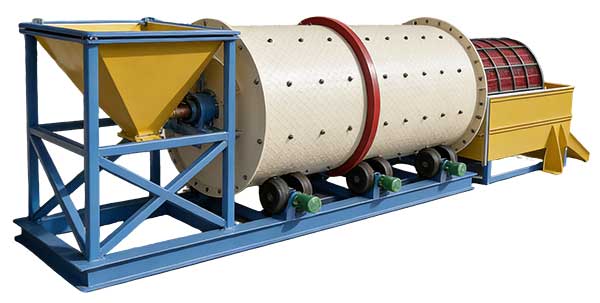
Crushing and grinding are key steps in releasing chromium minerals, and commonly used equipment includes jaw crushers, cone crushers, ball mills, etc.
Jaw crusher is responsible for coarse crushing tasks and can crush ores with extremely large particle sizes to 150-300 mm. Cone crusher is used for medium and fine crushing, further crushing the coarse crushed ore to a particle size suitable for grinding (such as 25-30 mm or less).
Ball mill is the core equipment in chrome grinding process, which grinds the crushed ore to the particle size of mineral monomer dissociation (usually 0.3-0.074 mm or even finer).
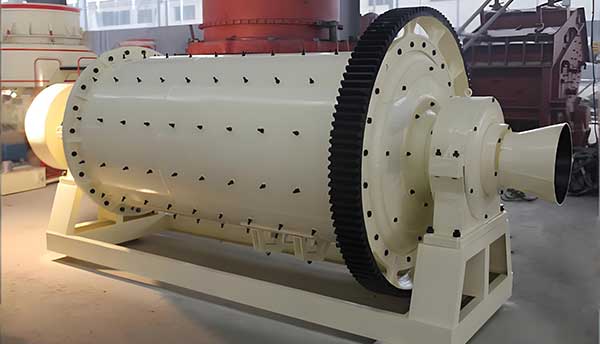
A spiral classifier utilizes the difference in settling velocity of solid particles in the liquid to classify the ground slurry and perform hydraulic washing again, separating qualified particle size materials and sending them to the next separating operation. At the same time, the coarse particle size materials are returned to ball mill for further grinding.
Chrome has high hardness, high specific gravity, and diversified mineral composition. Common chrome ore separation processes mainly include gravity separation, magnetic separation, flotation separation and combined beneficiation. Chrome separation are the essence of the whole chrome ore beneficiation production line.
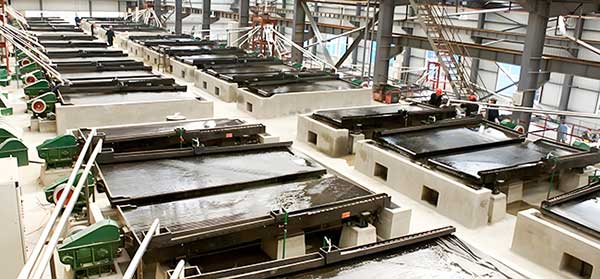
The gravity separation uses the difference in specific gravity between chrome ore and gangue minerals for separating. Under the action of gravity, chrome particles with higher specific gravity will settle faster, while vein mineral particles with lower specific gravity will settle slower, thus achieving separation.
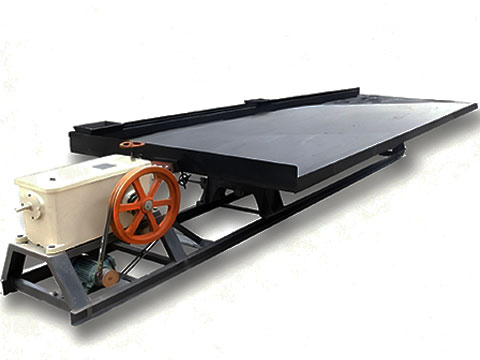
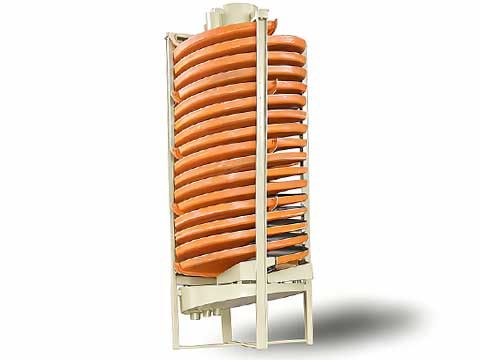
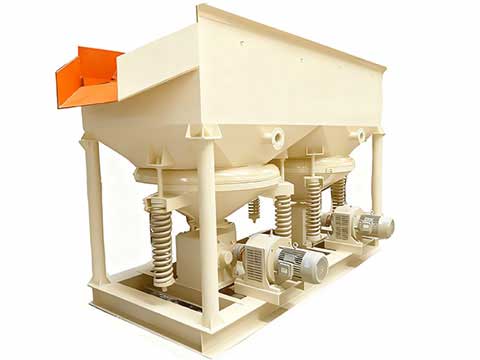
Gravity separating equipment includes Jigs, Shaking Tables, Centrifugal Beneficiation Machines, and Spiral Concentrators.
For chrome ore containing magnetic minerals, magnetic separation can effectively separate chrome ore and magnetic gangue minerals, improving the grade of chromium ore. Magnetic separation mainly utilizes the magnetic difference between chromite and gangue minerals for separation.
Chrome belongs to weakly magnetic minerals, while some minerals in gangue minerals such as magnetite and hematite belong to strongly magnetic minerals. Under the action of a magnetic field, magnetic minerals will be adsorbed onto the magnetic poles of the magnetic separator, while non-magnetic minerals will be expelled, thus achieving separation.
Magnetic separating equipments include Permanent Magnetic Separators, Wet Strong Magnetic Separator, etc.
In addition, some mines also use methods such as flotation and flocculation flotation. By utilizing the differences in physical and chemical properties of mineral surfaces, flotation agents are added to make the surface of chromite hydrophobic, thereby separating it from gangue minerals.
Flotation is more suitable for the separation of fine-grained chrome ores, especially for chrome ores with complex symbiotic relationships with gangue minerals and small differences in specific gravity. But flotation requires chemical agents, which is costly and has a certain impact on environment.
Flotation equipment includes Mechanical Agitation Flotation Cells and Inflatable Agitation Flotation Cells.
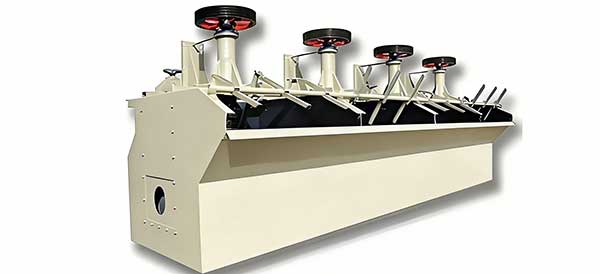
Due to the complex nature of chrome ore, a single mineral processing method often fails to achieve the desired beneficiation results. Therefore, a combined mineral processing approach is typically employed, integrating various methods such as gravity separation, magnetic separation, and flotation to fully leverage their respective advantages and enhance both the recovery rate and grade of chrome ore.
The combined mineral processing method is applicable to various types of chrome ore, particularly demonstrating remarkable effectiveness for ores with complex properties that are difficult to process using a single mineral processing technique.
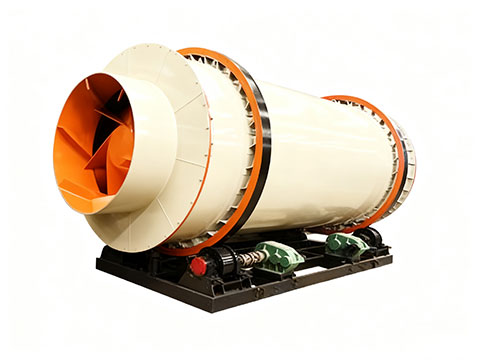
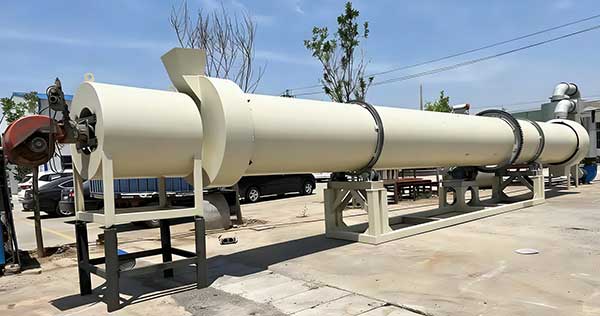
The concentrated ore and tailings after separation undergo dehydration. The dehydrated concentrated ore is then sent to a dryer for drying, resulting in dry concentrated ore that can be used directly or subjected to secondary grinding for further mineral extraction.
Commonly used equipment includes Gravity Thickeners, Filter Presses, Rotary Drum Dryers or Triple Cylinder Dryers.
The dried finished products are transported via conveyor belts or screw conveyors to the finished product silo or stockpile.
Reference Reading: 50 T/H Chrome Washing Plant for South African Client