
En
Both counterattack crusher and hammer crusher are common crushing equipment in the mining industry. In sand and gravel plants, counterattack crushers and hammer crushers are often used, which are widely used in industries such as mining, metallurgy, cement, building materials, chemical engineering, and hydropower.
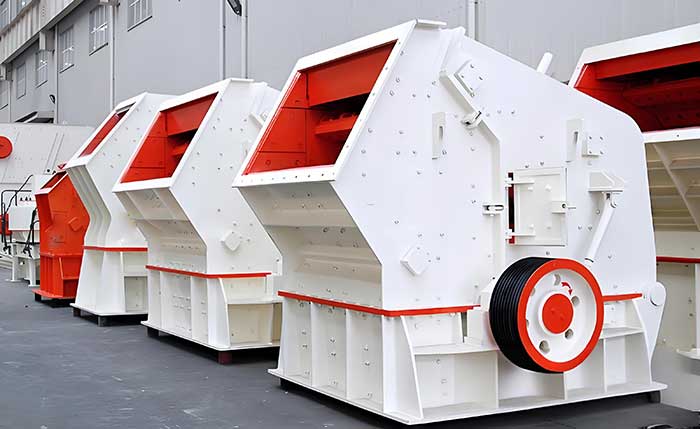
There are certain differences between counterattack crushers and hammer crushers in terms of structure, working principle, applications, maintenance costs, etc. What are the differences between these two crushers, which one is more popular?
There is a significant difference between counterattack crusher and hammer crusher in crushing materials, which is due to the difference in their plate hammers.
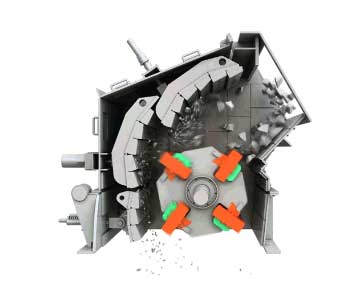
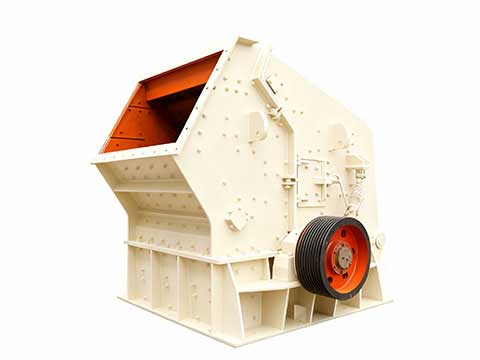
Counterattack crusher uses impact energy to crush materials. Under the drive of the electric motor, the rotor rotates at high speed. When the material enters the plate hammer action area, it collides with the plate hammer on the rotor and is crushed again. It is then thrown onto the counterattack device for further crushing, and then bounced back from the counterattack lining plate to the plate hammer action area for further crushing. This process is repeated, and the material enters the first, second, and third counterattack chambers from large to small for repeated crushing until it is crushed to the desired particle size and discharged from the discharge port. Adjusting the gap between the counterattack frame and the rotor can achieve the goal of changing the particle size and shape of the material discharge.
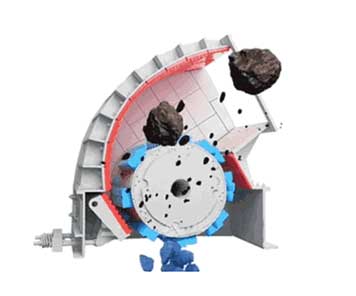
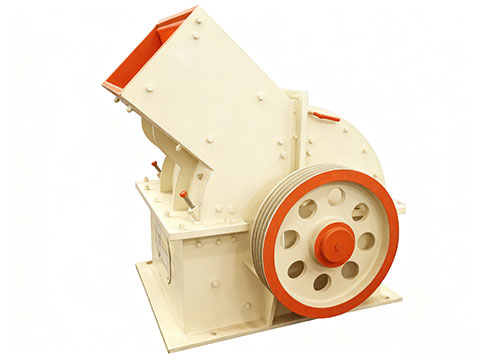
Hammer crusher is also a device that crushes materials in the form of impact. The motor drives the rotor to rotate at high speed inside the crushing chamber, and the material is fed into the machine from the upper feeding port. It is crushed by the impact, shearing, and grinding of the high-speed moving hammer. At the lower part of the rotor, there is a sieve plate. The particles smaller than the sieve hole size in the crushed material are discharged through the sieve plate, while the coarse particles larger than the sieve hole size are retained on the sieve plate and continue to be hit and ground by the hammer. Finally, they are discharged outside the machine through the sieve plate.
There are certain structural differences between counterattack crushers and hammer crushers.
The crushing chamber for counterattack is relatively larger, and the feeding port is also relatively large. The main components of the counterattack crusher include springs, railings, front counterattack frame, rear counterattack frame, counterattack lining plate, square steel, counterattack lining plate bolts, flip cover device, main shaft, plate hammer, rotor frame, lining plate, locking block, clamping block, etc.
The crushing chamber of a hammer crusher is smaller and its sealing performance is better than that of an counterattack crusher. Less dust pollution is resulted during material crushing. The main components of a hammer crusher include the casing, rotor, spindle, hammer head, counterattack liner, sieve plate, motor, etc.
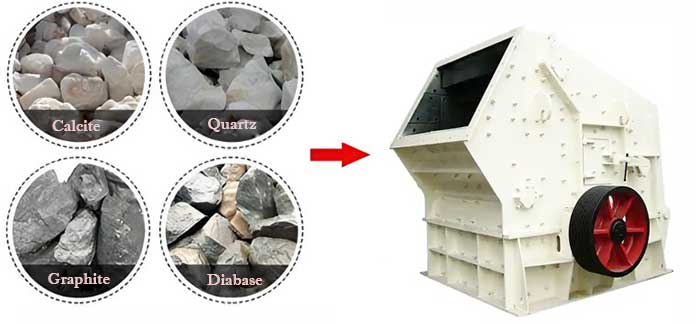
The counterattack crusher can not only handle softer materials, but also harder materials such as granite, river pebbles, and other high hardness materials.
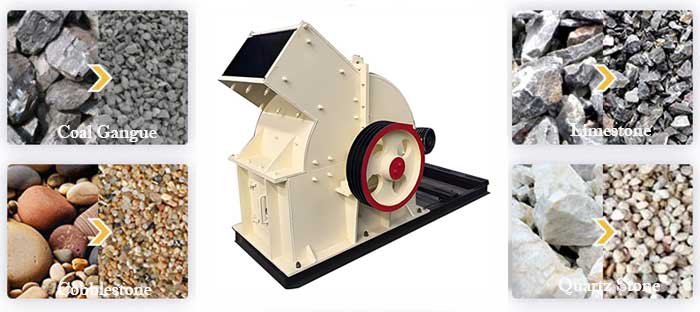
Hammer crushers can only handle materials with low hardness, such as limestone, coal gangue, etc., and materials with compressive strength within 200 Mpa.
There are no grates at the bottom of the counterattack crusher, and the particle size of the product is determined by the gap between the counterattack plate and the hammer head. When dealing with materials with excessive moisture content, it can effectively avoid clogging the grates when crushing wet materials. The hammer crusher cannot handle materials with high humidity due to the increased possibility of blockage caused by the presence of grates.
The application range of counterattack crusher is wider.
The price of a counterattack crusher is usually higher than that of a hammer. However, there are certain differences in the maintenance between counterattack crushers and hammer crushers.
The wear of the counterattack crusher plate hammer only occurs on the side facing the material. When the rotor speed is normal, the feed will fall onto the surface of the plate hammer (striking surface), and the back and side of the plate hammer will not be worn. And the bottom grinding rod is also easy to replace, with a metal utilization rate of about 45% -48% for its plate hammer.
The hammer head of a hammer crusher is in a hanging state, and wear occurs on the upper, front, back, and side. There are more than 100 hammer heads, and replacing a set of hammer heads takes a lot of time and manpower, with high maintenance and repair costs. The rotor and bottom sieve plate that have been hammered may also experience wear and tear during operation, and replacement is also complex.
Both counterattack crushers and hammer crushers crush materials through the impact force of high-speed operation of plate hammers and hammer heads, and the products are mostly cubic in shape, with popular discharge particle types.
The use of counterattack crusher in production lines is more common because it can handle a variety of materials and has a good particle size for discharge. It is often used in the secondary crushing process of various stone crushing and sand production.
The hammer crusher has a large feed inlet, a relatively small discharge particle size, and a high crushing ratio. The crushed material does not require secondary crushing and can be formed in one go.