
En
This 500t/h hematite processing plant is designed for a client based in South America. Hematite is the dominant mineral resource in the local mining area. The iron grade of run-of-mine ore is only 55%, with clay content peaking at 10%. Such clay contaminants greatly reduce the market value of finished iron ore products.
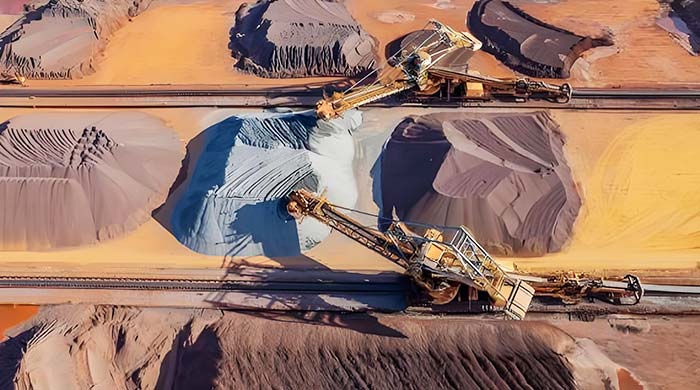
Two standard iron ore feedstocks are required by the regional steel industry: sinter feed ranging 1–10 mm and blast furnace lump ore sized 10–30 mm and 10–40 mm. Washing and desliming upgrading is mandatory to lift the iron grade above 58%.
This hematite project site complies with IEC electrical‑equipment standards. As required by local environmental regulations, wastewater must run on a closed‑loop circulation system, hence we install a full‑scale slurry recovery unit. The factory runs three non‑stop daily shifts and can process up to 4‑million tons of ore every year.
Production Capacity: 500 tons per hour; equipment availability rate 90%, overall plant utilization rate ≥85%, annual raw ore processing capacity 4 million tons.
Raw Material: Hematite run-of-mine ore, maximum feed size 800 mm, bulk density 2.4 t/m³, moisture content 5%.
Production Targets: Two finished products to be separated, including 1–10 mm sinter feed and 10–30/40 mm blast furnace lump ore. Fine‑grained slime below 1 mm is channelled for independent processing, and finished ore maintains an iron content above 58%.
Key Supporting: Full-process closed water circulation system to drastically cut fresh water consumption; designed for three-shift continuous operation with extra capacity reserved for peak production demand.
Project Scope: Process design, complete equipment supply, civil & steel structure works, PLC electrical automation system, on-site installation and commissioning guidance, and two-year full operational spare parts supply.
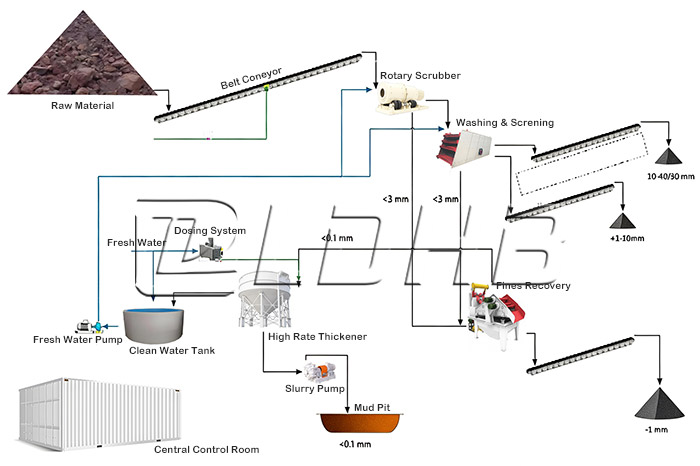
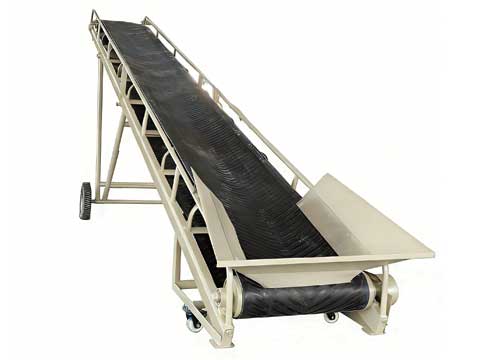
Raw lumpy hematite is fed into the processing line. Surge hoppers and belt conveyors cooperate to keep stable, consistent feed‑rate.
Rotary scrubbers mechanically peel away clay coatings on ore particles for efficient slime removal.
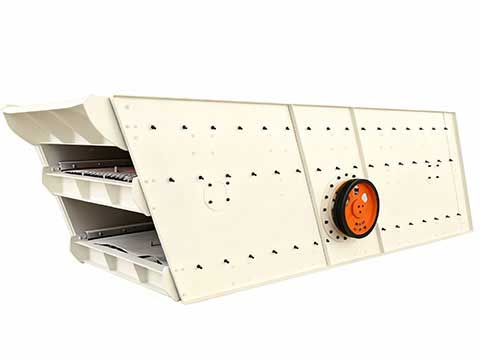
The washed ore gets sized in the first‑stage screening process to sort particles by grain‑size.
Hydrocyclones achieve sharp separation between fine sand and slime, diverting all particles finer than 1‑millimetre for dedicated handling.
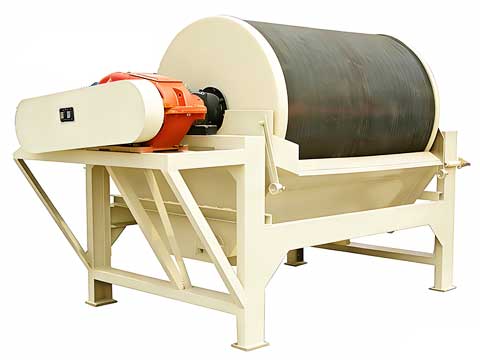
Magnetic separators get rid of unwanted mineral contaminants. The iron grade of end‑product can reach above 58%.
Two target products are sorted out: 1–10 mm sinter feed and 10–30/40 mm blast furnace lump ore.
Thickeners settle slurry waste, cooperating with slurry pumps to build closed water circulation and lower fresh water make-up volume.
Belt conveyors, finished‑ore storage silos and centralized transfer stations are configured for material handling.
Dust‑removal units are installed all over the production line to satisfy local environmental emission requirements.
A central control platform consisting of PLC, HMI and SCADA supports full-process remote monitoring and safety interlock protection for all equipment.
Steel access platforms and walkways, high and low voltage power distribution facilities, plus a complete package of spare parts for two years of operation and maintenance.
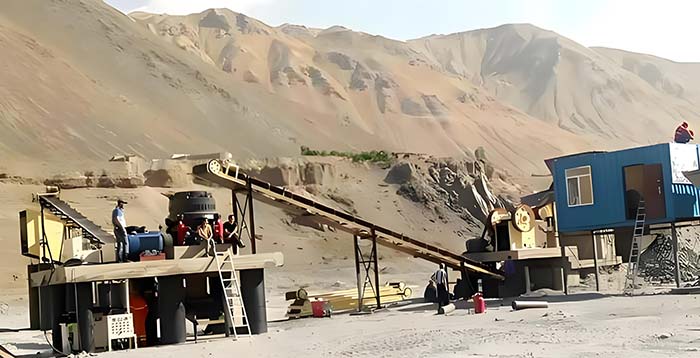
Our company has the ability to supply complete sets of equipment, process design, and tailings water circulation system for large-scale iron ore washing lines.
We can provide standardized budget plans for iron ore projects with a capacity of tens of millions of tons, covering the entire process of crushing, screening, scrubbing, magnetic separation, tailings thickening and pressure filtration, and supporting EPC general contracting services for the whole plant.