

En
Copper ore processing is the set of crushing, grinding, flotation and dewatering steps that turn run-of-mine ore into copper concentrate. In 2026 that flowsheet is changing on four fronts: high-pressure grinding rolls (HPGR) are displacing SABC grinding, alkali-free flotation is cutting lime, gravity circuits are recovering gold the flotation cell leaves behind, and tailings reprocessing is adding iron to the product list.
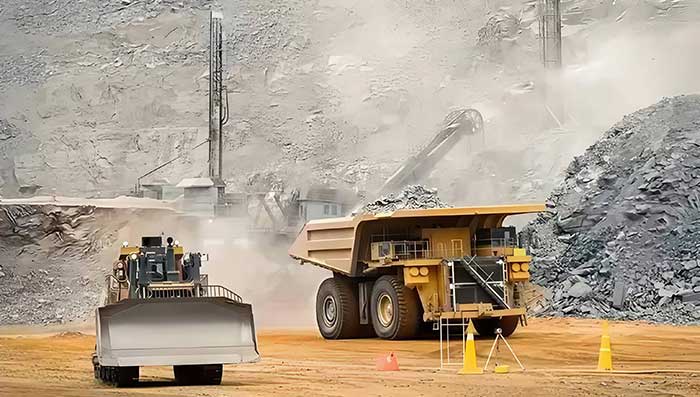
Cerro Verde in Peru ran the first large-scale HPGR installation and cut comminution energy by about 20 percent, and Freeport-McMoRan has since applied the technology at Morenci in Arizona. An alkali-free circuit using the BK306 collector at natural pH separated copper from sulfur without lime and lifted gold recovery by 17.05 percentage points at a Peruvian polymetallic mine.
At BHP’s Tintaya operation, a Knelson gravity circuit inside the copper flotation line added 5 percentage points of total gold recovery with a payback under one year. Head grades keep falling and energy takes a larger share of cost; these flowsheets are the response.
SABC stands for semi-autogenous grinding plus ball milling plus pebble crushing, the default for large copper concentrators since the 1990s. HPGR presses the ore bed between two counter-rotating rolls at very high pressure. The bed-breakage action micro-cracks the particles, improving liberation.
Cerro Verde, a Freeport-McMoRan operation in Peru and one of the largest copper concentrators in the industry, commissioned its HPGR-based grinding in 2006. The International Copper Association reports that HPGR mills are about 20 percent less energy-intensive than conventional ball milling, cutting emissions while raising production at both mines. Sierra Gorda in Chile, a copper-molybdenum-gold mine, is reported to run HPGR-based grinding as well; its owners approved a fourth grinding line in July 2026 to lift capacity from 48 to 60 million tonnes per year. For new large copper concentrators, HPGR now leads the flowsheet choice.
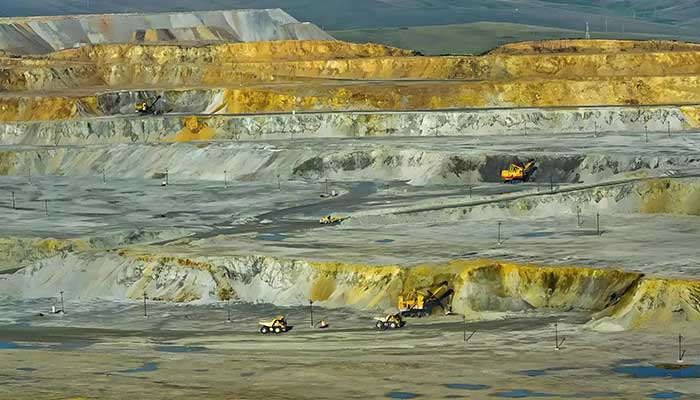
Conventional copper-sulfur separation uses lime to raise pH and depress pyrite. Lime works, but it costs money and, in some ores, depresses the associated gold along with the pyrite. Alkali-free flotation removes lime from the circuit.
A Peruvian gold-copper-iron polymetallic operation shows the results. It adopted an alkali-free, iso-flotability process using the BK306 high-selectivity copper collector. At natural pH the collector separates copper from sulfur without any lime addition. The reported outcome: gold recovery up 17.05 percentage points and copper recovery up 10.25 percentage points against the previous lime-based flowsheet. The numbers come from plant reporting, but the direction matches what similar circuits report on high-sulfur, gold-bearing copper ores in Peru.
Coarse native gold does not float well, and in many copper-gold ores it reports to the circulating load of the ball mill instead of to the concentrate. A Knelson centrifugal concentrator placed in that circulating load captures the dense gold before it can be re-ground to fines and lost.
The BHP Tintaya copper-gold operation in Peru is the documented reference case: a KC-X48 Knelson concentrator, rated at about 150 tonnes per hour, treats part of the cyclone underflow. The plant’s reported result: total gold recovery up 5 percentage points, with a payback under one year. A 2002 paper, “Gold Gravity Recovery in Copper Circuits at BHP Tintaya,” documents the implementation. For copper ores with meaningful gold value, gravity plus flotation is now close to a standard flowsheet element.
Copper tailings still contain iron that the first pass of flotation never touched. Several Peruvian concentrators now run full tailings reprocessing circuits: preferential flotation recovers copper first, the rougher concentrate is reground, iron is re-floated from the tailings, and the iron concentrate passes through reverse flotation to strip sulfur. Reported product: an iron concentrate grading above 68 percent iron. The same ore body now yields several products, the dam life extends, and a new revenue stream appears.
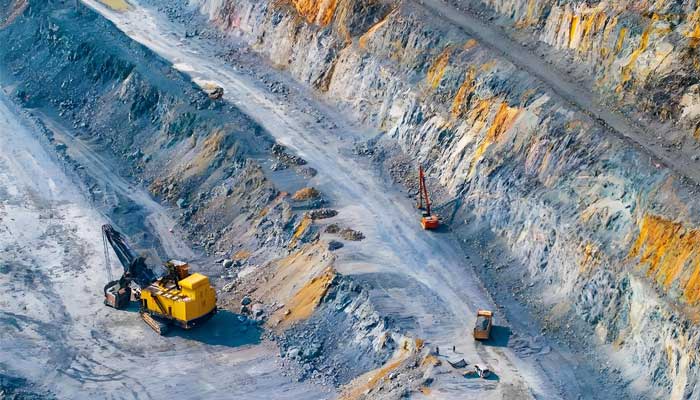
Fine grinding. Copper-molybdenum concentrate regrind now runs through stirred-media mills instead of ball mills, delivering a finer product at lower energy. A typical copper-molybdenum regrind spec: 80 percent passing 28 micrometers, the fineness needed to recover the molybdenum and fine copper locked in middlings.
Dewatering. Ceramic disc filters are replacing vacuum filters on concentrate duty, dropping filter cake moisture to about 8 percent versus 10 to 12 percent and cutting freight cost per tonne of metal.
For new projects, the direction is settled: specify HPGR-based grinding, plan an alkali-free or low-alkali flotation option, and budget for a gravity gold circuit whenever the ore carries gold. For existing plants, add a Knelson unit to the grinding circulating load first, because the payback is measured in months. Test the ore with a high-selectivity collector at natural pH first. If the tailings carry iron, assay them properly.
All of these trends come back to the same equipment families: high-pressure grinding rolls and stirred media mills on the grinding side; flotation cells, gravity concentrators and magnetic separators in the separation train; ceramic filters at the end. Concentrators that adopt them together keep their economics strong even as ore grades decline. [Company Name] supplies and services these machines for copper, gold and iron flowsheets. Contact us to discuss which of these upgrades fits your plant.