
En
Placer gold deposits are deposits where native metallic‑gold particles are found in rivers, streams, lakes or alluvial layers. These gold particles are usually eroded from upstream lode‑gold ore and settle in low‑lying areas. Placer gold deposits lie close to the surface, making them easier to mine.
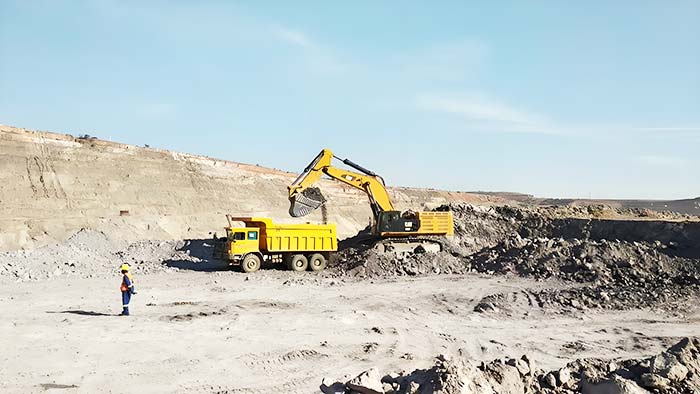
After extensive discussions, our company has designed a 30 TPH placer‑gold washing and processing flow‑sheet for our client in Ghana.
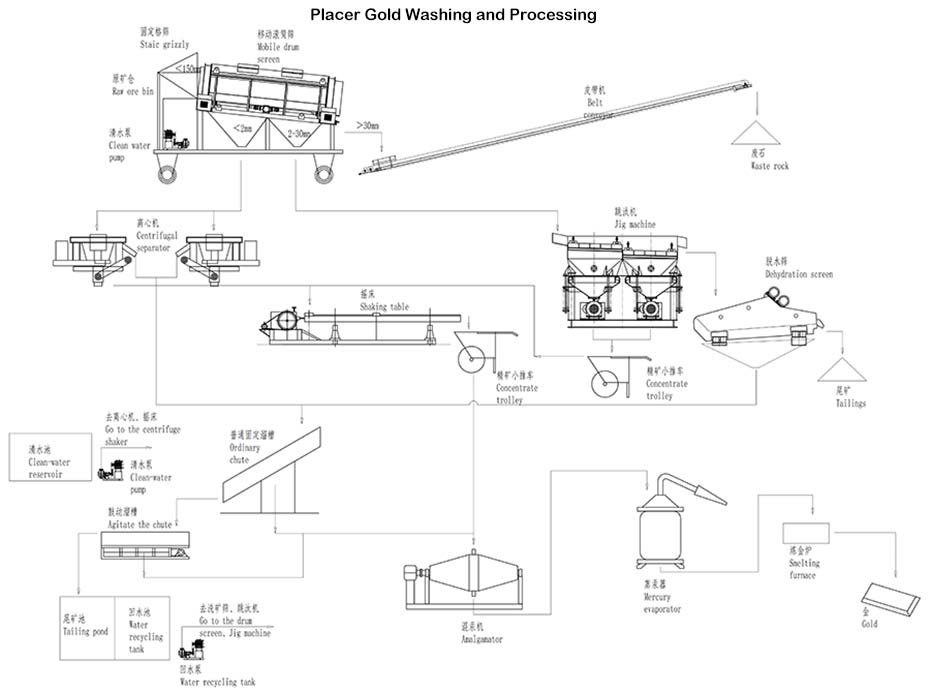
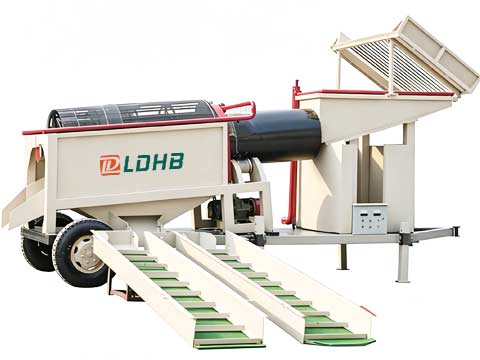
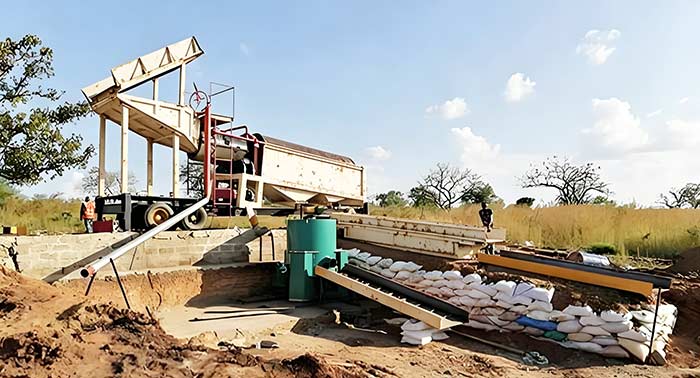
A gold wash plant (rotary trommel, screen aperture 2‑30 mm) together with high‑pressure water jets carries out ore washing and screening. It breaks up clay lumps powerfully and removes clay coatings, preventing fine slime from trapping gold particles and causing metal loss.
Large pebbles and waste rock are directly discarded during screening. Gold‑bearing slurry passing through the screen flows to the next rough‑concentration stage, while oversize gravel is discharged as waste.
Coarse slurry is fed into a jig separator to recover medium‑coarse gold particles larger than 0.3 mm, achieving a coarse‑gold recovery rate of over 85%.
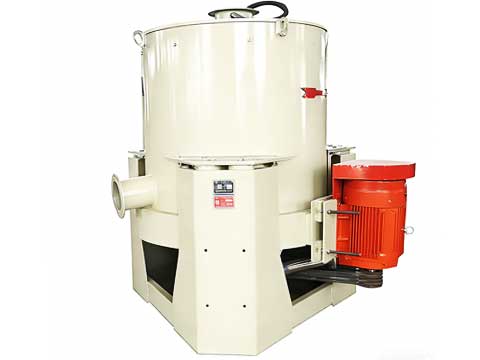
Fine gold ranging from 0.074 mm to 0.3 mm flows with slurry into a centrifugal concentrator (Nelson Centrifuge). High‑speed centrifugal force magnifies density differences between minerals, freeing gold particles concentrate rapidly on the centrifugal liner. Discharge yields rough gold concentrate with a grade of 500‑2000 g/kg.
Rough concentrates from the jig and centrifugal concentrator still contain heavy‑mineral impurities such as magnetite, ilmenite and garnet. After adjusting slurry density to 15‑25 %, the material goes to a shaking table for secondary gravity separation and purification.
Most heavy‑mineral gangue is removed via shaking‑table cleaning to produce high‑grade gold concentrate. The concentrate is fed into a sealed amalgamation unit to form gold‑mercury amalgam. The amalgam is then heated inside a closed retort, yielding crude gold ingots after mercury distillation.
An alternative process can be adopted with environmental‑protection concerns in mind.
Rough gold concentrate from the shaking‑table first passes through a wet magnetic separator, which removes magnetic heavy minerals such as magnetite and pyrrhotite. The non‑magnetic fraction then goes through electrostatic separation to further separate heavy‑sand impurities including ilmenite and zircon, producing high‑purity gold‑bearing heavy sand.
The purified gold heavy sand is melted in a graphite crucible to produce crude gold ingot with a purity of 95‑98 %.
All tailings slurry generated from washing, roughing and cleaning is collected and sent to three‑stage impermeable sedimentation tanks for classification and settlement. Clarified water after three‑level settling is recycled, with overall water reuse efficiency above 80 %.
Solid tailings deposited at the tank bottom can be further dewatered by a filter‑press, forming dry stacked tailings for storage.