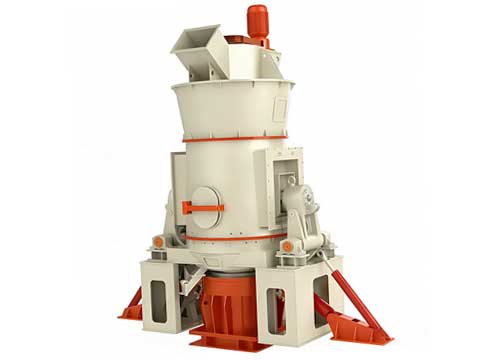
Grinding roller bearings are the core vulnerable components of vertical roller mill, and lubrication is often achieved through thin oil circulation. This article takes the LM vertical grinding mill as an example to analyze the main causes, judgments, and maintenance methods of roller oil leakage and bearing damage.
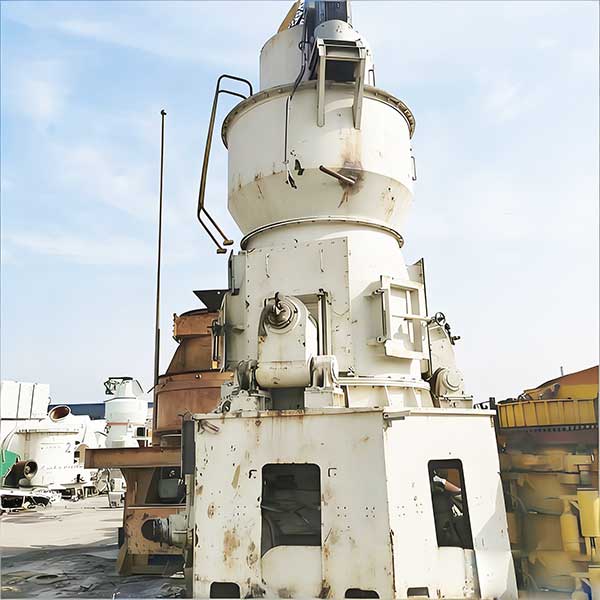
1. Sealing Wind Pressure Failure (main cause)
The grinding roller seal relies on a sealing fan to blow high-pressure air into the roller chamber to form positive pressure, preventing high concentration dust from entering and protecting the bearings and oil seals.
Once the wind pressure is insufficient or the seal fails, dust intrusion will directly damage the sealing ring and oil seal, causing oil leakage and bearing damage:
- The low air pressure of the sealed fan and the blockage of the filter/cloth due to dust accumulation result in insufficient air volume and pressure.
- Poor sealing and air leakage at connections such as flanges and joint bearings in wind pressure pipelines.
When starting up or stopping the machine, the ventilation inside the mill is unreasonable, causing a slight negative pressure in the roller chamber and dust backflow.
2. Abnormal Oil Level of Grinding Roller
The oil level in the roller chamber is controlled by the vacuum degree of the return oil pipe, and high or low oil levels can cause faults:
- Low Oil Level: insufficient lubrication → high temperature and burning of bearings.
- Oil Level Too High: Internal pressure too high → Oil seal pushed open → Grinding roller oil leakage.
3. Rapid Diagnosis Method For Roller Bearing Faults
- Check Oil Quality: Check the oil sample. If the metal particle content is high, it indicates that the bearing has been severely damaged.
- Check Oil Temperature: The return oil temperature of a single grinding roller is significantly higher than that of other grinding rollers, indicating that the roller bearing is abnormal.
4. Key Points Of Daily Maintenance
- Control Oil Temperature: The normal production oil temperature should be around 52 ℃.
- Check Pipeline: Check the balance tube, vacuum switch, oil pipe joints, and hoses to prevent blockage, air leakage, and damage.
- Check Oil Level: Closely monitor the oil level in the fuel tank. Any abnormal fluctuations in the oil level must be immediately investigated to avoid damage to the seal due to insufficient or excessive refueling.